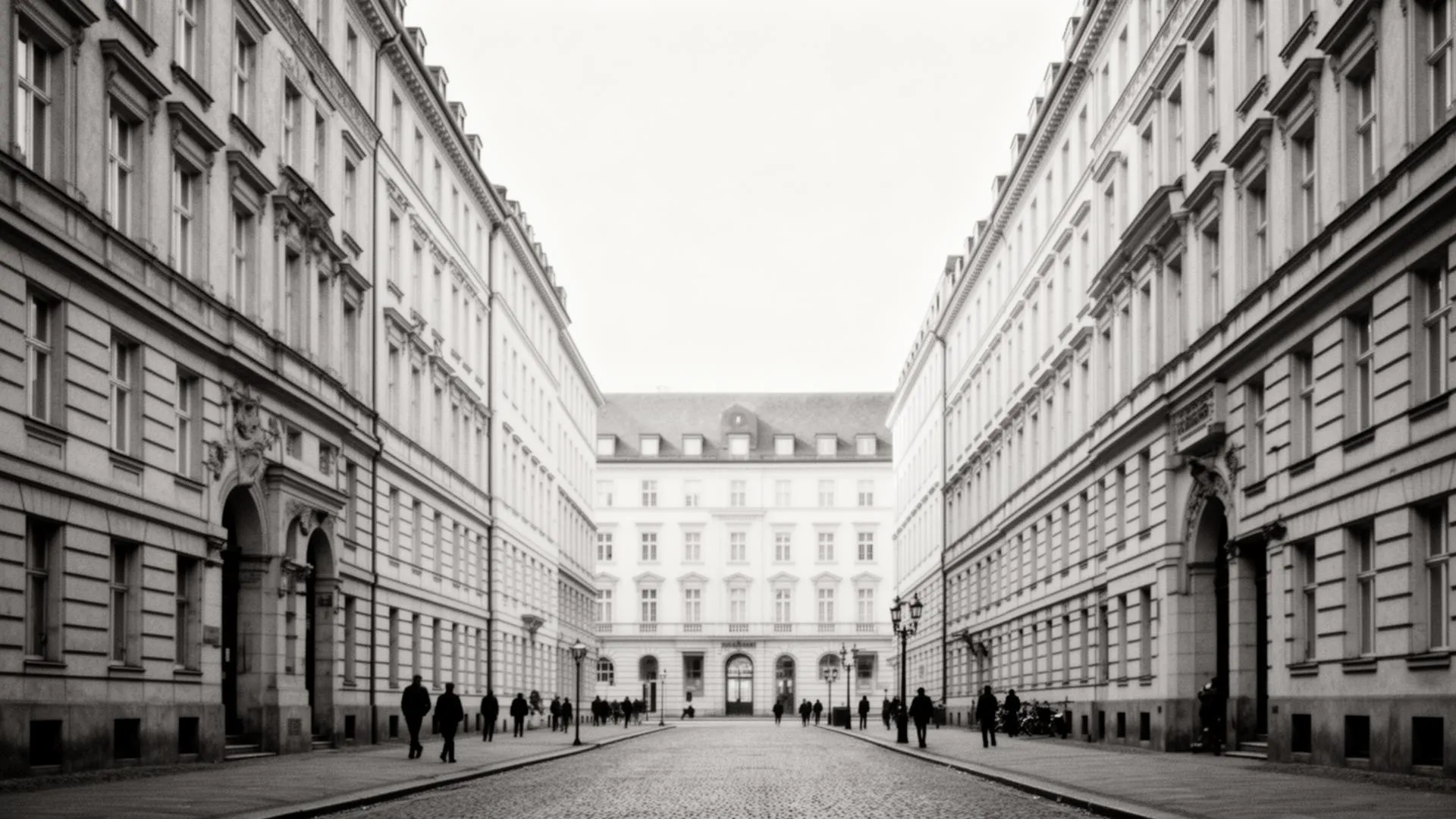
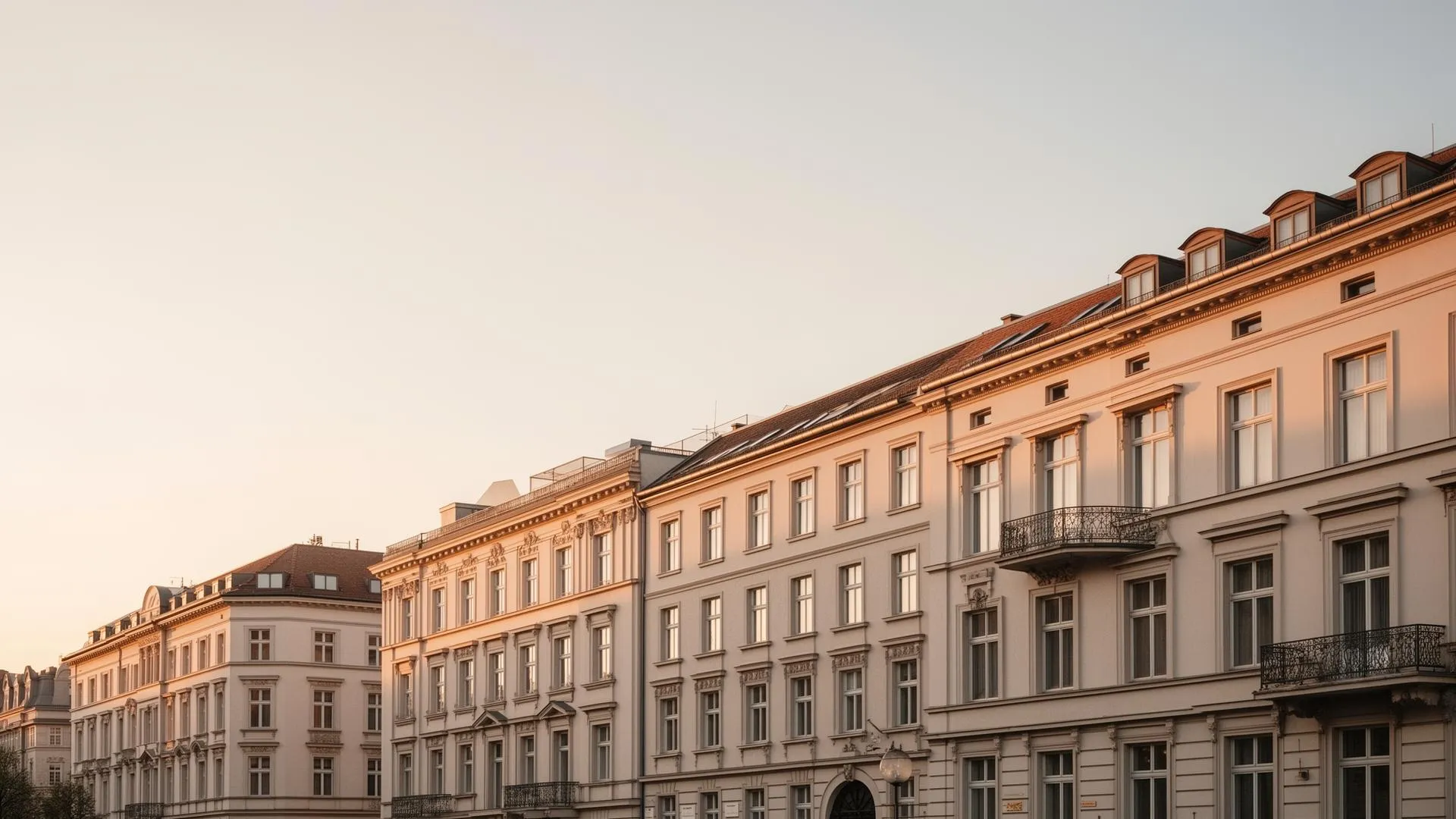
Renovating in Berlin: Permits, Pitfalls, and What Owners Always Underestimate
Half of the renovation disputes we mediate could have been avoided by one phone call in week one. Here is the call to make.
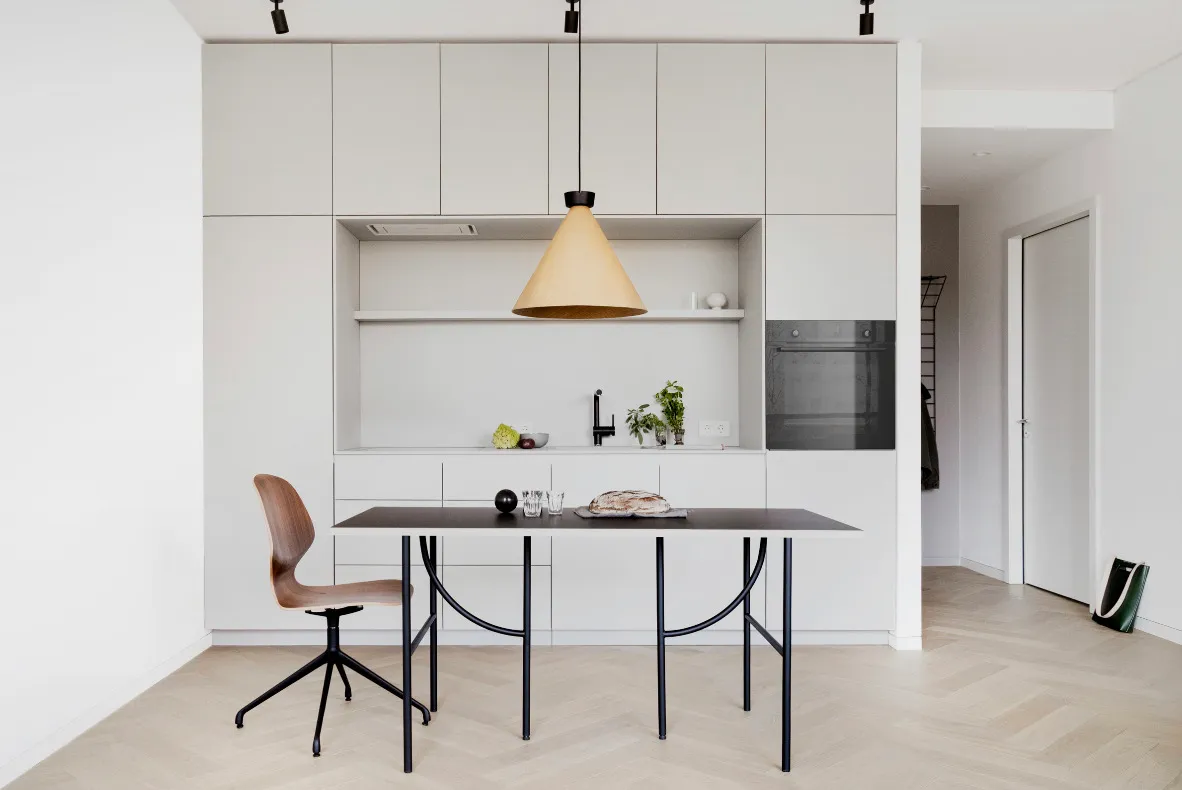
- Most cosmetic interior work in Berlin is permit-free - but the moment you touch load-bearing walls, balconies, or facade openings, you need a Bauantrag.
- Denkmalschutz (heritage protection) covers thousands of pre-1945 Altbau buildings; renovating one without checking the register is the single most expensive Berlin mistake.
- Realistic 2026 budgets: 1,400-2,200 EUR/sqm for a full Altbau apartment refurbishment, 800-1,400 EUR/sqm for a partial.
- Honest timelines: 8-14 months from first sketch to handover, with 4-6 weeks built in for permit response alone.
- The WEG (owners' association) must approve anything touching shared structure. Get the vote in writing before signing with contractors.
Berlin will let you renovate. Berlin will also let you spend nine months discovering you cannot. The line between those two outcomes is drawn in week one - usually in a single afternoon at the Bauamt website.
The checklist nobody runs, that decides everything
Before a contractor is called, before a designer is briefed, before you tell anyone you're renovating - answer four questions: Is the building listed? What does the Bebauungsplan allow? What does the WEG declaration permit? And what does the apartment's exposé actually say about Sondereigentum boundaries? Every Berlin renovation that goes off the rails skipped at least one of these four.
Permits, in the order they actually matter
1. Denkmalschutz check
Berlin has roughly 8,500 listed buildings, and almost every street in Charlottenburg, Mitte, Prenzlauer Berg, Kreuzberg and parts of Schöneberg has at least a few. The register is public. Search the address before you sign anything - purchase contract included.
2. WEG declaration and house rules
The Teilungserklärung defines exactly what belongs to you and what belongs to the community. Original Altbau plumbing risers, for example, are almost always common property - meaning you cannot move the bathroom freely, even within your own apartment, without WEG consent.
“The cheapest meter of Berlin renovation is the one you draw before you buy the apartment.”
3. Bauantrag, only where you need it
Submit through a licensed Bauvorlageberechtigte (usually your architect). Filing fee is roughly 0.5% of construction cost. Decisions in 2026 are landing in 8-16 weeks across most boroughs, with Pankow and Friedrichshain-Kreuzberg currently slowest.
- Cosmetic refresh (paint, floors, existing kitchen): 350-700 EUR/sqm.
- Partial refurbishment (kitchen + bath + basic electrics): 800-1,400 EUR/sqm.
- Full Altbau refurbishment (electrics, plumbing, flooring, stucco restoration): 1,400-2,200 EUR/sqm.
- Energy upgrade (windows, insulation, heating): add 250-550 EUR/sqm.
- Denkmalschutz overhead: add 15-25% on every line item.
The four mistakes that cost the most
First: hiring contractors before architectural drawings are stamped. Second: assuming the previous owner's permit covers your changes (it does not). Third: signing fixed-price contracts without a clearly defined LV (Leistungsverzeichnis). Fourth: not building 12-15% contingency into the budget. In 25 years of Berlin renovation, the projects that came in on budget all carried that contingency.
How Artic/B handles this
We run renovation as a project, not as a relationship of trust. Architectural brief, three competitive offers against an identical LV, fixed milestones, weekly site reports in your language, and a single point of contact in Berlin who answers the phone. Owners in Tel Aviv get a Friday update; nothing escalates over the weekend.